Home Window Tinting: Benefits, Types & Tips
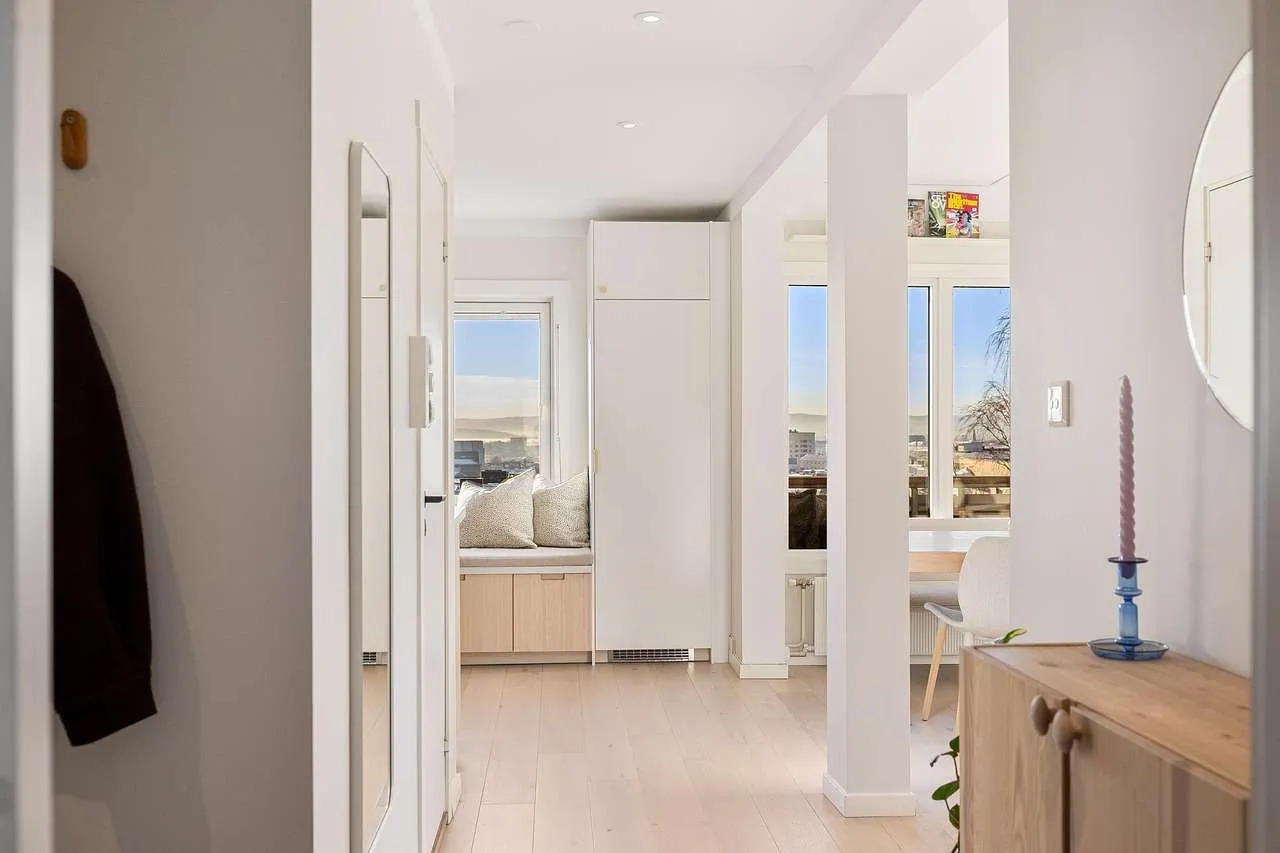
Home window tinting is a smart upgrade for many homes, combining comfort, energy efficiency, and style. By applying a thin film to interior glass, homeowners can manage heat, glare, and UV exposure while preserving natural light.
What is Home Window Tinting?
Home window tinting refers to installing a specialized film on the interior surface of glass panes. These films, typically composed of polyester layers with adhesives and interlayers, reduce solar heat gain, block a large portion of UV rays, and soften glare. Modern installations are designed to be durable, fade resistant, and sometimes even safety rated, meeting local building codes and insurance requirements. A professional installer ensures the film is cut precisely and applied without bubbles or debris, delivering a clean, long lasting finish.
Benefits of Home Window Tinting
- Energy efficiency: Reduces cooling loads by blocking heat during warm months and retaining warmth in cooler months.
- Improved comfort: Diminishes hot spots and glare, making spaces more comfortable for work, reading, or watching screens.
- UV protection: Blocks up to 99% of harmful ultraviolet rays, reducing furniture and floor fading.
- Privacy and security: Lightly tinted films provide daytime privacy while maintaining outward visibility; some safety films help hold shards in place during breakage.
- Aesthetics and value: Creates a consistent exterior appearance and can enhance curb appeal and property value when chosen to suit architectural style.
Types of Window Tint Films
Choosing the right film depends on goals, budget, and local regulations. Here are common options:
Dyed Tint
Dyed films are the most budget friendly and work well for reducing glare and adding privacy. They can fade over time in strong sun and may not provide the highest UV rejection or heat control compared with other options.
Metalized or Metal Oxide Tint
These films reflect heat and reduce glare, offering stronger performance than dyed films. Some types may interfere with electronic signals and can create a noticeable metallic look.
Ceramic Tint
Ceramic films use nonconductive particles to deliver excellent heat rejection, UV protection, and clarity without mirroring or signal interference. They are typically premium options with long term wear and strong durability.
Carbon or Hybrid Tint
Carbon and hybrid films balance heat control, color stability, and price. They tend to resist fading and offer good UV protection while maintaining a natural appearance.
Comparison Table: Tint Types at a Glance
| Tint Type | Heat Rejection | UV Rejection | Glare Reduction | Cost | Pros / Cons |
|---|---|---|---|---|---|
| Dyed | Moderate | Good | Moderate | Low | Affordable; can fade; easiest to install |
| Metalized | High | Excellent | High glare | Mid | Great heat control; may affect electronics; visible reflective look |
| Ceramic | Excellent | Excellent | Excellent | High | Best performance; non reflective; most durable |
| Carbon | High | Excellent | Low reflectivity | Mid-High | Balanced performance; good value |
Considerations Before Tinting
Before proceeding, check local laws and HOA or building guidelines, as tint darkness and color can be restricted in some areas. Decide on a target light transmission level, known as VLT, to balance privacy with visible brightness. Consider window orientation, as south facing glass often benefits most from high heat rejection. For homes with large glass expanses, ensure the chosen film maintains clarity and does not distort views at certain angles. Finally, request a warranty and verify the film’s fade resistance and installer certification to strengthen trustworthiness and long term performance.
Professional Installation vs DIY
Most homeowners opt for professional installation to achieve a bubble free, even finish and ensure proper edge sealing. Professionals bring experience with surface preparation, cleaning, and precise cutting. DIY kits exist, but improper installation can lead to peeling, glare issues, or reduced performance. For EEAT, engaging a licensed, insured installer who can provide photos of past work and warranty terms signals reliability and authority to readers.
Costs, ROI and Maintenance
Prices vary by film type, window size, and labor. On average, professional residential window tinting ranges from about 5 to 15 per square foot installed, with ceramic and carbon options at the higher end. While upfront costs exist, the long term savings come from reduced cooling loads, less furniture fading, and potentially lower air conditioning usage. Maintenance is minimal—clean with a soft cloth and mild soap solution; avoid abrasive cleaners that can scratch films. Regular inspection ensures the edge seals remain intact and the film stays firmly adhered over time.
Conclusion, home window tinting is an effective upgrade for comfort, energy efficiency, and protection of interior furnishings. By selecting the right film type, understanding local regulations, and opting for professional installation, homeowners can maximize savings and preserve aesthetic appeal while keeping a strong EEAT standard for quality and credibility.