Bathroom Decor Ideas: Elevate Your Space
In today’s homes, bathroom decor ideas blend style with function. A well-designed bath not only looks appealing but also improves daily routines and resale value. This guide offers proven strategies for color, materials, lighting, and storage, along with budget tips and practical advice for different spaces. We’ll balance EEAT elements by citing design principles, material choices, and maintenance considerations to help you make informed decisions.
Color Theory and Materials
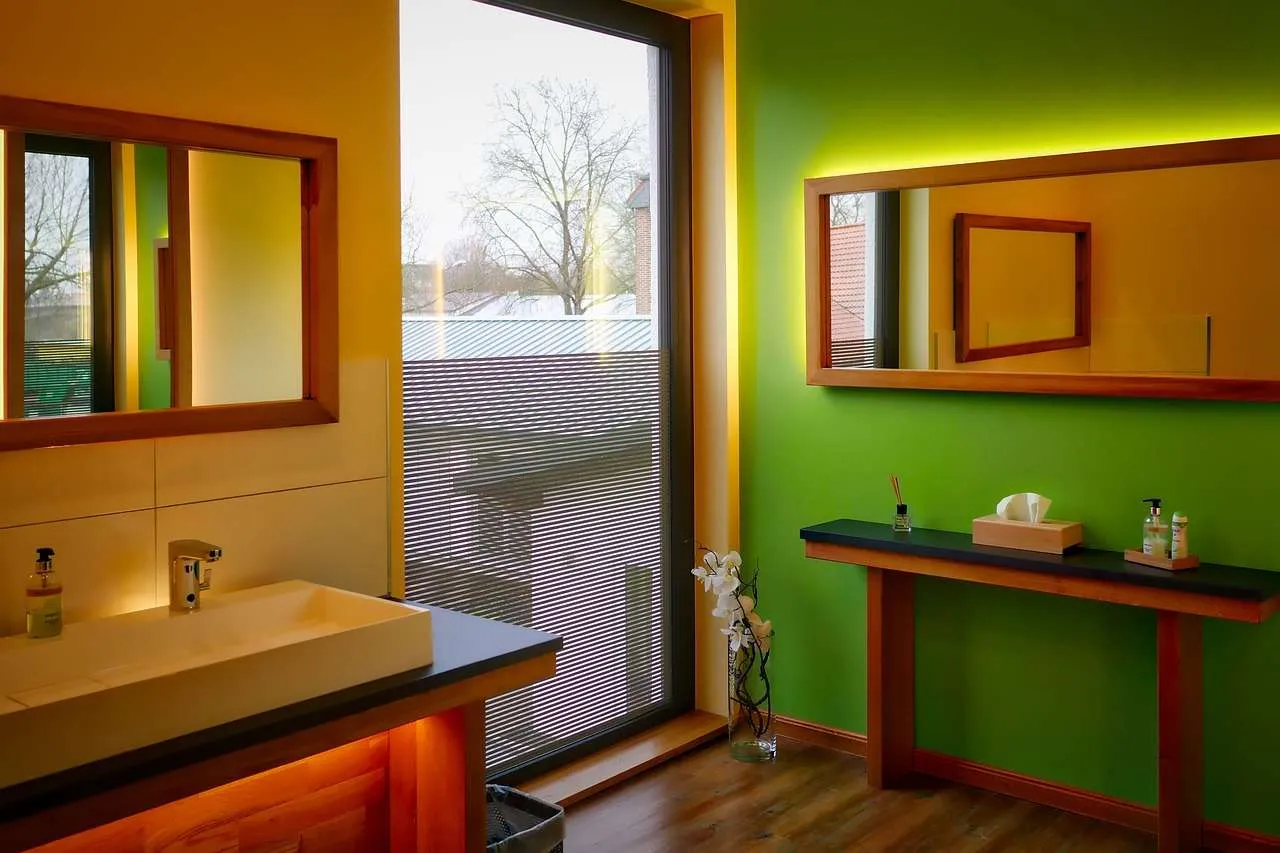
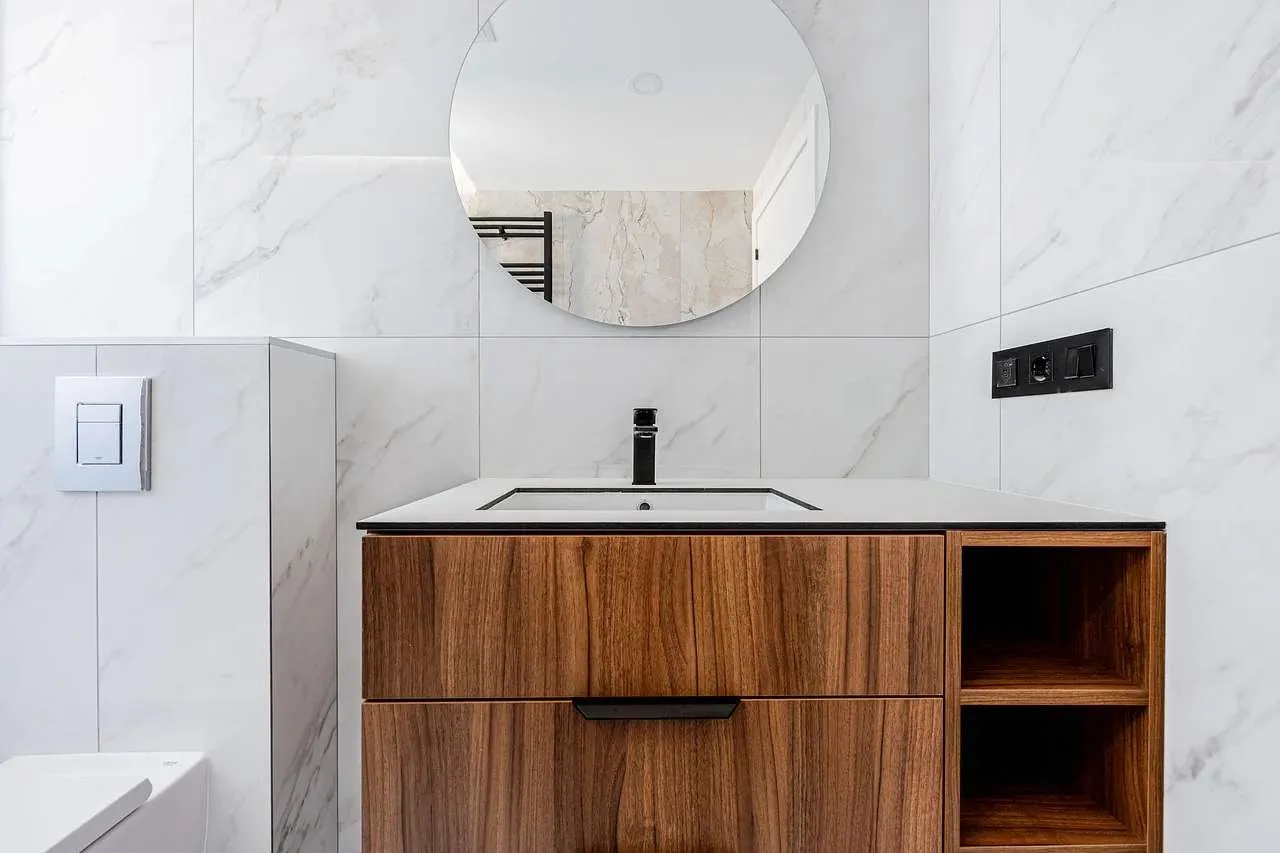
Color is the foundation. Start with a base of neutral tones—soft whites, warm beiges, light greys—and add an accent color to energize the space. For small bathrooms, light colors reflect more light and create the illusion of space; for larger rooms, richer hues can create a spa-like atmosphere. In terms of materials, choose durable, moisture-resistant options: porcelain or ceramic tiles for walls and floors, quartz or solid-surface countertops, and moisture-sealed wood or wood-look vanity fronts.
Consider texture as a design tool: matte finishes on fixtures reduce glare, while glossy tiles reflect light. Natural stone such as marble veining adds luxury but requires sealing. If you prefer sustainability, look for low-VOC paints, recycled glass tiles, and responsibly sourced wood. Always verify warranties and maintenance requirements before purchase.
Color Schemes That Work
Two classic approaches are: 1) a neutral backdrop with a single bold accent (navy, emerald, or charcoal) and 2) a monochrome palette with tonal variations. In small baths, keep accents minimal to avoid visual clutter. In larger baths, introduce texture with patterned tiles or a contrasting grout color to emphasize lines and geometry.
Textures and Materials
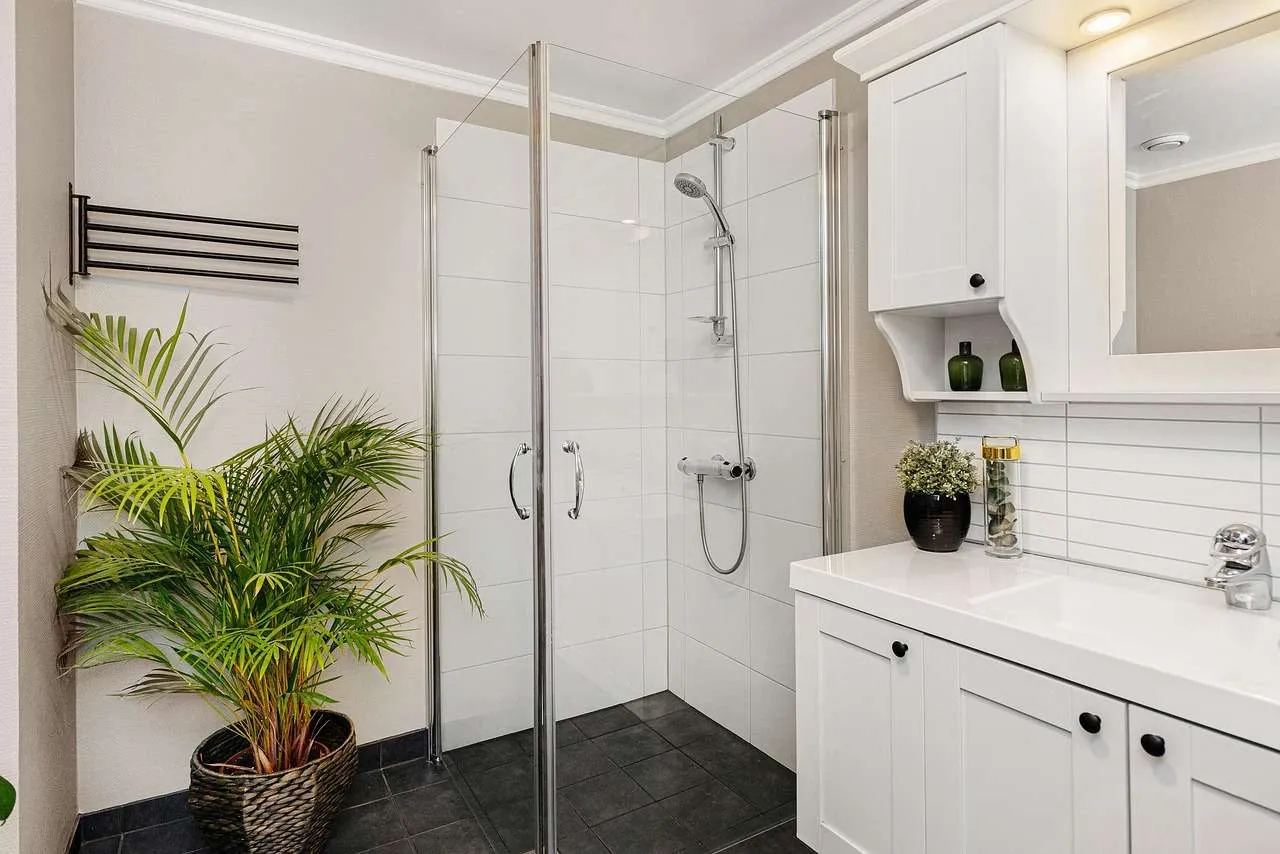
Layer materials to create depth: a matte vanity, glass shower enclosure, and soft textiles such as cotton towels. Introduce warmth with natural wood accents or bamboo accessories. For moisture control, seal wood or choose water-resistant laminates; ensure proper ventilation with an exhaust fan and humidity-rated fixtures.
Lighting, Storage, and Fixtures
Lighting is essential for both function and mood. A layered approach combines ambient ceiling lights, task lighting at the mirror, and accent lighting to highlight architectural features. Use dimmers to adapt the atmosphere from daytime brightness to evening coziness. Storage solutions should be designed to stay out of sight yet accessible: recessed medicine cabinets, pull-out drawers, and wall-mounted shelves keep counters clear.
Fixtures matter as well. Choose water-efficient faucets, a rain shower head if space allows, and a vanity with soft-close doors. Mirror technology, such as anti-fog mirrors, can improve usability. When selecting fixtures, prioritize finishes that resist corrosion and match your overall style.
Budget-Friendly Upgrades
Strong value upgrades include updating hardware, repainting cabinets, replacing a dated vanity light, and re-grouting tile. If your budget allows, a new vanity or a frameless glass shower can dramatically transform the room. Do a one-room upgrade plan: pick a focal point, then allocate budget to related elements (lighting, mirrors, storage) rather than chasing small changes across the room.
DIY steps can include painting existing cabinets, installing new towel bars, or applying peel-and-stick backsplash tiles. For larger tasks such as plumbing, electrical, or tile replacement, hire licensed professionals and obtain permits if required. Always measure carefully, read product dimensions, and keep receipts for future repairs.
DIY vs Pro: When to Hire Help
Understand the scope of your project. Cosmetic upgrades like painting, small fixtures, and accessories are usually DIY-friendly. More complex tasks—rewiring lighting, plumbing, or moving plumbing lines—require professional trade skills. Before starting, obtain multiple quotes, check licenses and insurance, and review project timelines to minimize disruption.
Design Styles: Quick Comparison
| Style | Palette | Key Elements | Pros | Cons |
|---|---|---|---|---|
| Modern | Neutral base with bold accents | Clean lines, glass, metal | Minimal maintenance, bright spaces | Can feel cold if overused |
| Traditional | Warm neutrals, wood tones | Soft curves, classic fixtures | Timeless appeal, cozy feel | May require more upkeep |
| Minimal | White, black, gray | Hidden storage, sleek surfaces | Calm and easy to clean | Requires discipline to maintain |
| Rustic | Earthy tones, stone | Natural textures, rugged fixtures | Inviting warmth | Moisture management needed |
Putting It All Together
Start with a focal point—such as a statement mirror or an accent tile—and plan around it. Decide on a calming color base, then layer in texture with textiles and storage. A well-chosen vanity and durable fixtures form the backbone of durability, while layered lighting creates mood and function. Keep a maintenance routine to protect finishes and ensure long-term beauty.
Regular upkeep is essential: reseal grout every 1–2 years, clean with pH-neutral products, and ventilate to prevent mold growth. With thoughtful planning, your bathroom decor ideas can deliver daily delight and lasting value.
Summary: By combining color, material choices, lighting, and organization, you can implement practical bathroom decor ideas that enhance comfort and value. Consider your space, budget, and maintenance needs, and choose a style that you can live with daily. Start with small changes, then layer in texture and lighting for a cohesive look.